Why Smarter Electricity Decisions Matter for Homes and Businesses
Introduction
Electricity is one of the foundations of modern life. It powers homes, supports businesses, connects people through technology and keeps essential equipment operating. Yet many property owners only think seriously about their electricity supply when something goes wrong. A sudden outage, an unexpectedly high bill or an ageing electrical system can quickly expose weaknesses that have been overlooked for years.
The way people generate and use electricity is changing. Solar panels, battery storage, energy monitoring and more efficient electrical equipment are giving households and businesses additional options. These technologies are not simply about adopting something new. Their real value comes from helping people make better decisions about reliability, consumption and long-term property needs.
Energy resilience is therefore worth considering as part of responsible property and business planning.
What Does Energy Resilience Actually Mean?
Energy resilience is the ability of a property to manage changes or interruptions in its electricity supply while continuing to support its most important activities.
It does not necessarily mean becoming completely independent of the electricity grid. For many properties, remaining connected to the grid is practical and appropriate. Instead, resilience involves understanding electricity requirements, reducing avoidable waste and considering alternative sources or backup arrangements where they make sense.
For a family home, this could mean having a plan to keep essential appliances operating during a power interruption. For a business, it might involve protecting refrigeration, communication systems, computers or equipment needed to continue essential operations.
A rural property may have different priorities, particularly if it relies on pumps, workshops or machinery located away from the main building.
The first step is to identify what matters most. Without that information, it is difficult to decide which energy improvements are worthwhile.
See also: Curated Living: Elevating Modern Lifestyles Through Strategic Home Design
Start With a Clear Picture of Electricity Consumption
Many people know approximately how much they pay for electricity, but fewer understand exactly when and where their property consumes the most power.
Monthly bills provide a useful overview, although they do not always reveal the details behind consumption. Two properties with similar bills may have very different usage patterns.
One household might use most of its electricity in the evening. Another may consume more during the day because people work from home or operate several appliances. A small business may have a consistent daytime load, while a rural operation could experience significant seasonal changes.
Understanding these patterns helps property owners make more informed decisions.
A practical review can include:
- Comparing electricity bills across different seasons.
- Identifying appliances and equipment with high energy requirements.
- Noting when major electrical loads are operating.
- Reviewing whether lighting and cooling are being used efficiently.
- Considering future changes such as additional machinery or electric vehicle charging.
This information can help establish whether the priority should be reducing consumption, improving electrical infrastructure, installing solar generation or investigating battery storage.
Solar Energy Offers More Control Over Generation
Traditional electricity arrangements rely on energy supplied through the grid. Solar panels provide another option by allowing a property to generate electricity from sunlight.
During suitable daylight conditions, a solar system can produce electricity for household appliances, business equipment and other connected loads. The amount generated depends on several factors, including system size, panel orientation, shading, weather and seasonal conditions.
Solar generation can be particularly useful for properties that consume significant electricity during daylight hours. A business operating computers, refrigeration or machinery throughout the day may be able to use some of its generated electricity directly.
However, the relationship between generation and consumption is important. Solar panels generally produce the most electricity during daylight hours, while many households have higher demand in the evening.
This difference is one reason a solar system should be designed around actual usage rather than simply selecting the largest available package.
Property owners should also consider the condition of the roof, available installation space, switchboard capacity and the suitability of the existing electrical infrastructure.
Battery Storage Can Help Bridge the Timing Gap
Solar panels generate electricity when sunlight is available, but a property’s energy requirements continue after sunset. Battery storage offers a way to retain some surplus solar electricity for later use.
A battery can charge when solar production exceeds immediate consumption and discharge when the property needs additional electricity. This can increase the amount of generated solar energy used on-site, depending on the system’s configuration and the household’s consumption pattern.
For a business, stored energy may support selected operations outside normal daylight hours. For a household, it may help cover evening consumption.
Battery storage can also form part of a backup-power arrangement, but this requires careful planning. Not every battery installation automatically supplies electricity during a blackout. Backup functionality depends on compatible equipment, inverter configuration and the circuits selected for backup operation.
Battery capacity is another important consideration. A system intended to support a few essential appliances will have different requirements from one designed to supply several larger electrical loads.
The objective should be to select a battery that fits the property’s needs rather than paying for capacity that may rarely be used.
Monitoring Turns Energy Information Into Better Decisions
Installing energy equipment is only one part of managing electricity effectively. Understanding how it performs over time is equally important.
Monitoring technology can provide information about electricity generation, household or business consumption, battery charge levels and energy imported from or exported to the grid. The exact information available depends on the installed equipment.
A suitable solar panel monitor can help property owners understand how their solar system is performing and when electricity is being generated or used.
This information can support practical decisions.
For example, a household may discover that a washing machine, dishwasher and other appliances are usually operated in the evening. If it is convenient to change their schedules, some of that activity could move to daylight hours when solar generation is available.
A business may identify periods when electricity demand is unusually high and investigate whether equipment scheduling or maintenance could improve efficiency.
Monitoring also makes it easier to notice changes in system performance. If generation appears consistently different from expectations, the information can provide a useful starting point for discussing the issue with an installer.
It is important to remember that monitoring is not a substitute for electrical inspections or maintenance. It provides information, while qualified professionals are responsible for assessing and addressing electrical faults.
Electrical Infrastructure Is Part of the Investment
Energy improvements often receive attention because of the visible equipment. Solar panels, batteries and monitoring displays are easy to recognise, but the electrical infrastructure supporting them is just as important.
A property’s switchboard, wiring, protection devices and connections must be suitable for the proposed work. Older installations may require upgrades before new equipment can be connected safely.
This is particularly relevant when a property is undergoing renovation or expanding its electrical requirements. Adding an electric vehicle charger, new workshop equipment or additional appliances may change the demands placed on the existing installation.
Electrical planning should therefore happen before major equipment is purchased.
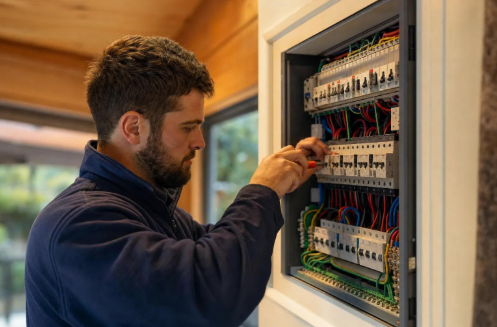
Working with a qualified electrician atherton can help property owners assess their electrical requirements and understand which improvements may be needed. This is particularly relevant when planning solar installations, battery systems, switchboard upgrades or other work involving the property’s power supply.
A properly assessed installation provides a more suitable foundation for future energy improvements.
Businesses Should Consider the Cost of Interrupted Operations
For businesses, electricity is not simply another household expense. It can be directly connected to revenue, customer service and operational continuity.
A power interruption may prevent staff from using computers, processing payments, communicating with customers or operating important equipment. Businesses that store temperature-sensitive products may face additional concerns.
The potential impact depends on the nature of the operation.
A small office may only need to protect its internet equipment and selected computers. A workshop may need to consider machinery and essential lighting. A retail business may prioritise refrigeration, security systems and payment facilities.
Business owners can begin by identifying which activities would be most difficult to interrupt. They can then assess whether backup power, battery storage, generator support or operational changes are appropriate.
It is also worth considering how long essential equipment needs to operate during an outage. A system designed to provide a short period of backup is different from one expected to support an extended interruption.
A realistic plan is usually more useful than an expensive installation chosen without a clear understanding of business requirements.
Rural Properties Have Additional Energy Considerations
Rural properties can have electricity needs that differ considerably from those of a typical suburban home.
A farm may operate pumps, sheds, workshops, irrigation equipment and machinery across a large area. Some equipment may be essential at particular times, while other loads can be scheduled around available electricity.
Distance from major service centres and the condition of existing infrastructure can also influence planning.
Solar and battery systems may provide useful options for rural property owners, but the design needs to reflect the site’s actual requirements. Equipment location, cable routes, power demand, available installation space and backup expectations all matter.
A property with a workshop and several pumps may need a different arrangement from a home that mainly requires lighting, refrigeration and communication equipment.
It is also important to consider maintenance access. Electrical equipment should be installed in suitable locations where it can be inspected and serviced when necessary.
Small Improvements Can Make a Difference
Not every improvement requires a major investment. Some practical changes can reduce unnecessary electricity consumption and make existing systems work more effectively.
Review lighting: Replacing unsuitable or inefficient lighting with appropriate LED fixtures can help reduce electricity use.
Manage cooling: Clean filters, unobstructed airflow and sensible temperature settings can support more effective air-conditioning operation.
Schedule equipment: Where practical, operate selected appliances during periods when solar generation is available.
Maintain electrical equipment: Address damaged outlets, unusual electrical behaviour and other concerns through qualified professionals.
Understand standby consumption: Some devices continue using electricity when not actively operating. Reviewing unnecessary standby loads may reveal opportunities to reduce consumption.
Review usage regularly: Comparing energy data over time helps identify changes and assess whether previous improvements are working as expected.
These measures are most effective when they are based on the property’s actual usage rather than assumptions.
Plan for Future Energy Requirements
An energy system should not only meet today’s needs. It should also take reasonable account of changes that may happen over the coming years.
A household might eventually purchase an electric vehicle, add a home office or install new appliances. A business could expand its premises or introduce equipment that increases electricity demand. A rural property may add a workshop or upgrade its pumping systems.
These possibilities do not mean that every future requirement must be installed immediately. However, mentioning them during an electrical assessment can help professionals consider suitable capacity and installation options.
It may also be useful to review an existing solar system before adding a battery. Compatibility, inverter specifications and switchboard readiness can influence what upgrades are possible.
Planning ahead can reduce the likelihood of making repeated changes to an electrical installation.
Choosing Improvements Based on Real Needs
Energy technology is developing quickly, and it can be tempting to treat every new product as essential. In practice, the most useful improvement depends on the property.
A household with high daytime consumption may benefit from solar generation. A property with significant evening usage may want to investigate battery storage. A business that depends on uninterrupted operation may need a broader backup strategy.
Some properties may achieve meaningful improvements through better lighting, cooling and appliance management before investing in new generation equipment.
A sensible decision-making process includes reviewing electricity usage, assessing existing infrastructure, defining backup priorities and comparing suitable solutions.
Installation quality, equipment compatibility, maintenance requirements and long-term costs should all be considered. Professional advice can help ensure that the final arrangement is appropriate for the building and its intended use.
Conclusion: Better Energy Decisions Begin With Understanding
Energy resilience is not about purchasing the most expensive equipment or trying to disconnect completely from the grid. It is about understanding how electricity supports daily life and making practical improvements that suit a property’s needs.
Solar generation can provide another source of electricity, battery storage can offer greater flexibility, and monitoring can help owners understand how energy is being used. Electrical upgrades and suitable backup arrangements can further support reliability where required.
For homes, farms and businesses, the best results come from combining these options thoughtfully. By starting with real consumption patterns and planning for future requirements, property owners can make more confident decisions about their electricity supply.
The most effective energy system is ultimately one that performs a useful job, fits the property and supports the people and activities that depend on it.