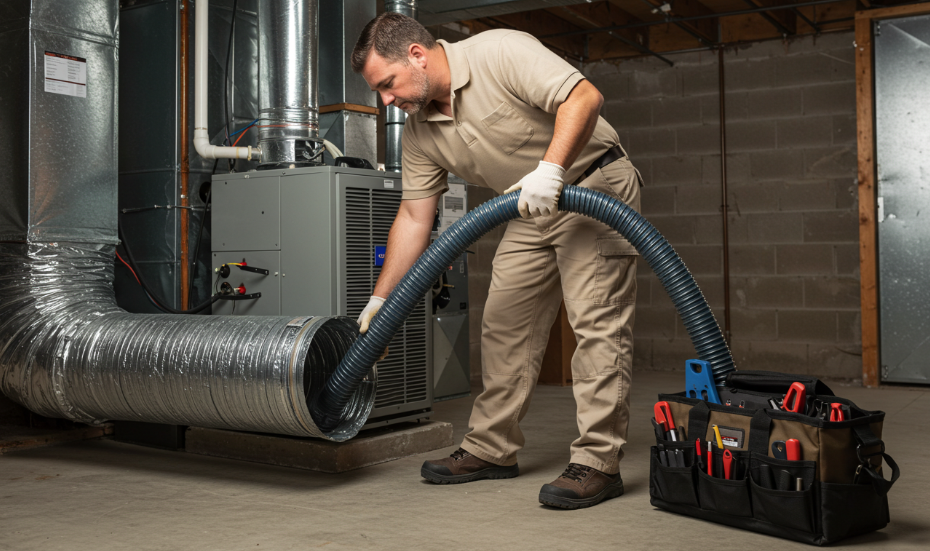
Signs Your Duct System Is Restricting Air Before Major HVAC Issues Appear
Most heating and cooling problems do not start with the equipment itself. Many begin quietly inside the duct system, long before a breakdown or comfort failure grabs attention. Airflow restrictions build over time and force the system to work harder than needed. Homeowners often miss these early warning signs because the system still runs and the thermostat still responds. Paying attention to subtle changes helps prevent larger issues later.
Understanding how restricted ducts show themselves gives homeowners a chance to act early, protect comfort, and reduce stress on the system.
Rooms That Never Feel Quite Right
One of the earliest signs of airflow restriction shows up in room comfort. Certain rooms stay warmer or cooler than the rest of the house, no matter how the thermostat changes.
Restricted ducts limit the amount of air that reaches those spaces. Bedrooms at the end of duct runs often feel the impact first. Air struggles to reach these areas, especially during peak heating or cooling cycles.
Many homeowners assume insulation problems cause these uneven temperatures. In reality, restricted ducts often create the imbalance.
Weak Airflow at Supply Vents
Standing near a supply vent should reveal a steady stream of air. Restricted duct systems deliver noticeably weaker airflow.
Common observations include:
- Barely noticeable air movement
- Air that feels strong at first, then fades quickly
- Vents that feel cooler or warmer than expected without strong flow
These changes usually develop slowly, making them easy to overlook. Weak airflow forces the system to run longer to meet thermostat settings.
Longer Run Times Without Better Comfort
Restricted airflow causes the system to run longer cycles. The thermostat calls for heating or cooling, but limited air movement prevents fast temperature changes.
Homeowners notice the system running for extended periods without reaching the desired comfort level. Rooms feel stagnant rather than evenly conditioned.
Longer run times increase wear on motors and other components, setting the stage for future failures.
Increased Noise From Vents or Ducts
Air restriction often changes how the system sounds. Whistling, rushing, or humming noises near vents point to airflow struggling through narrow spaces.
Ducts may pop or flex as pressure builds. Registers may vibrate slightly during operation. These sounds signal resistance inside the duct system rather than equipment failure.
Hot or Cold Spots That Shift Over Time
Restricted airflow does not always affect the same rooms consistently. As debris shifts or duct materials sag, airflow patterns change. Homeowners notice different rooms feeling uncomfortable from one season to the next. A room that felt fine last year suddenly struggles.
This shifting pattern often traces back to internal duct restrictions that worsen over time.
Dust Building Up Faster Than Usual
Restricted airflow causes dust to settle inside ducts and living spaces. Reduced air movement fails to carry particles back to the return system.
Signs include:
- Dust collecting near vents
- Dust settling shortly after cleaning
- Dust visible blowing from registers
Dust buildup often indicates narrowed airflow paths or leaks that disrupt circulation.
See also: Avoid Downtime: How Regular Electrical Maintenance Saves Your Business
Return Vents Feel Weak or Noisy
Return vents play a major role in airflow balance. Restricted ducts reduce the amount of air returning to the system.
Homeowners may notice:
- Weak suction at return grilles
- Whistling sounds near returns
- Doors that slam or stick when the system runs
These signs point to pressure problems caused by restricted air movement.
Temperature Changes Lag Behind Thermostat Adjustments
Turning the thermostat up or down should result in noticeable changes within a reasonable time. Restricted ducts slow that response. Air cannot move freely through the system, delaying comfort changes. Homeowners may think the thermostat has issues, but the duct system often causes the lag.
Delayed temperature response increases frustration and encourages unnecessary thermostat adjustments.
System Cycles On and Off More Frequently
Airflow restrictions can trigger short cycling. The system heats or cools quickly near the thermostat but fails to distribute air evenly.
As a result, the thermostat satisfies too soon and shuts the system off. Rooms farther away never receive enough air. Frequent cycling increases wear and reduces comfort.
Certain Vents Blow Stronger Than Others
Uneven airflow between vents often signals restriction. Some vents blow forcefully while others barely move air.
This imbalance often results from:
- Collapsed or kinked duct sections
- Blocked branch lines
- Poor duct layout
Strong airflow at nearby vents steals air from distant rooms.
Rising Energy Use Without Lifestyle Changes
Restricted ducts reduce efficiency. The system uses more energy to push air through narrowed pathways. Homeowners notice energy usage rising even though usage habits stay the same. Heating or cooling costs climb without clear explanation.
Duct restrictions often hide behind these increases until inspected.
Air Feels Stuffy or Stagnant Indoors
Proper airflow refreshes indoor air. Restricted ducts reduce circulation and create stale conditions. Homes feel stuffy, even when temperatures seem correct. Air lacks movement, making spaces feel uncomfortable.
Stagnant air often accompanies hidden duct restrictions.
Condensation or Moisture Near Vents
Airflow restrictions can cause temperature imbalances that lead to condensation. Moisture forms near vents or duct surfaces.
This moisture may appear as:
- Damp vent covers
- Water stains near registers
- Musty odors
Restricted airflow prevents proper temperature control and humidity balance.
System Struggles During Mild Weather
Many homeowners expect systems to perform best during mild weather. Restricted ducts often show problems during these periods. The system may cycle oddly or fail to maintain comfort even though outdoor conditions seem easy.
Mild weather exposes airflow issues because the system relies more on distribution than raw output.
Filter Appears Cleaner Than Expected
A clean filter might seem positive, but it can signal trouble. Restricted ducts may prevent air from passing through the filter effectively.
Less airflow means less dust reaches the filter. That dust instead settles in ducts or living spaces. A consistently clean filter paired with dusty rooms points to airflow problems.
Pressure Changes Affect Doors and Windows
Restricted airflow alters pressure inside the home. Homeowners may notice doors moving on their own or difficulty opening certain doors during system operation.
These pressure changes strain the duct system and signal airflow imbalance. Balanced airflow should not affect doors or windows noticeably.
System Sounds Louder Than Before
As airflow restriction increases, the system works harder. Motors and fans strain against resistance. The system sounds louder during operation, even if no mechanical fault exists. This increased noise often precedes component failure.
Small Issues Stack Up Over Time
Airflow restrictions rarely cause immediate breakdowns. Instead, they create a chain reaction of smaller issues. Longer run times, uneven comfort, higher energy use, and increased noise all point to duct trouble. Addressing these signs early prevents major HVAC problems later.
Duct Restrictions Affect System Lifespan
Restricted airflow increases heat buildup and stress on components. Over time, this stress shortens equipment life.
Many major system failures trace back to airflow issues that went unchecked for years. Recognizing duct-related warning signs protects both comfort and equipment investment.
Early Awareness Makes a Real Difference
Signs of restricted duct systems appear long before major HVAC issues develop. Paying attention to airflow, comfort patterns, and subtle changes helps homeowners act early.
Addressing duct restrictions restores proper airflow, improves comfort, and reduces strain on the system. Healthy ducts support a healthier, more reliable heating and cooling system long before serious problems appear.