How to Make Budget Kitchen Tools Last Longer (Without Spending More)
Let’s be honest – most of us aren’t building our kitchens with $300 Japanese knives or artisan cookware. We’re buying tools that work, that fit in a drawer, and that don’t break the bank. But there’s a problem: most budget kitchen gear isn’t built to be babied – and it breaks fast.
The truth is, even the cheapest tools can last if you know how to take care of them. In fact, the way you treat your $25 chef knife or $15 nonstick pan can matter more than how much you paid for it.
So instead of replacing your gear every six months, here’s how to make it last – with zero fancy upgrades, no special storage systems, and no expensive gadgets. Just a few good habits that save you money and make cooking easier.
🔪 Budget Knives Deserve Better Than the Junk Drawer
When people think about knife care, they usually picture high-end Damascus blades or heirloom sets passed down from chefs. But in reality, budget knives are the ones that need attention the most – because they dull faster, rust easier, and break if mistreated.
Here’s what most people do:
- Throw their knife in the dishwasher
- Leave it wet on the counter
Cut directly on a glass or marble board - Use it to open packages, cut frozen meat, or even pry lids open
That $25 chef knife never stood a chance.
But here’s the twist: when you use the right cutting surface, wipe it dry after washing, and give it a quick hone every couple of weeks – a cheap knife can stay razor-sharp and reliable for months.
A recent comparison on Metapress breaks down which budget chef knives actually hold up in 2025. Some are surprisingly sharp, well-balanced, and even comfortable to use. The catch? They only stay that way with basic maintenance.
🧽 The 5 Knife Habits That Extend Lifespan Instantly
You don’t need a full sharpening kit or professional training. Just follow these:
1. Handwash and dry immediately.
Dishwashers are brutal on blades. The heat, detergent, and rattling dull the edge and can warp the handle. Always wash by hand and wipe dry with a towel.
2. Use a wooden or plastic cutting board.
Avoid glass, stone, or granite boards – they destroy the blade’s edge with every chop.
3. Hone weekly, sharpen every few months.
You don’t need a whetstone. A $10 honing rod does 90% of the job. For full sharpening, do it quarterly or send it out once a year.
4. Store it properly.
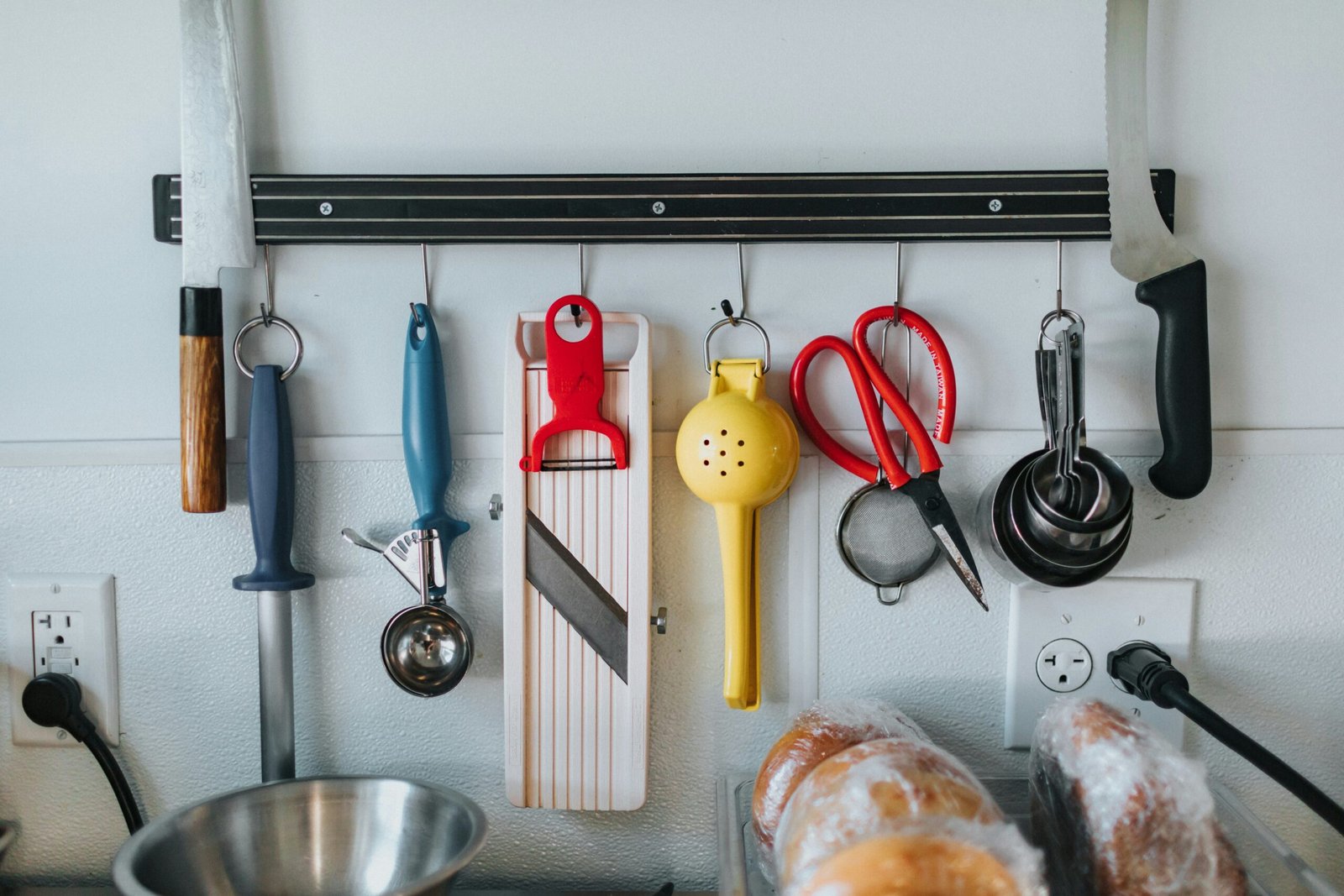
Loose drawers = nicks, dents, dulling. Use a sheath, a magnetic strip, or a basic knife block.
5. Use it for food only.
No opening boxes, cutting hard plastic, or playing “kitchen screwdriver.” Respect the tool.
More in-depth tips can be found in this budget knife care guide – including how to clean cheap stainless blades without making them rust.
🍳 What About Other Budget Gear?
Knives are just the beginning. Most cheap kitchen gear fails early because it wasn’t designed to take a beating. But a little care goes a long way.
🥘 Nonstick pans
Don’t crank the heat to max. Don’t use metal utensils. Don’t spray them with cooking spray (it leaves residue). And for the love of all things crispy, don’t put them in the dishwasher.
With gentle use, even a $20 nonstick pan can survive a couple of years.
🥣 Plastic containers
Microwaving spaghetti in them every day will stain them forever. Instead, handwash when you can and avoid nuking anything with heavy tomato or oil content.
🥄 Silicone spatulas
They’re heat resistant – but not heatproof. If you leave one resting on a hot pan, it will melt, warp, or go sticky.
💡 How to Tell If Budget Gear Is Even Worth Saving
Sometimes, cheap gear isn’t worth saving. But most of the time, people throw things out not because they’re broken – but because they were never cleaned or maintained properly.
Here’s how to know when to toss vs. save:
| Item | Keep It If… | Toss It If… |
| Knife | Still holds edge, no rust | Blade chipped, handle cracked |
| Pan | Coating intact, heats evenly | Nonstick is flaking |
| Container | Lid seals tight | Warped/melted/brittle |
| Peeler/Grater | Still sharp | Rusted or bent |
If it’s still functional but just looks old, give it a deep clean – vinegar, baking soda, lemon juice – and it might be totally fine.
🧠 Smart Habits Are Cheaper Than Replacements
You don’t need better gear. You need better habits.
Buying budget kitchen tools isn’t a bad thing – but treating them like they’re disposable is what drains your wallet over time.
- A $25 knife becomes a throwaway only if you treat it like one.
- A $12 pan lasts years when you stop scalding it on max heat.
- Your tools don’t have to be premium – they just have to be respected.
The good news? These habits cost nothing. They’re simple to adopt. And they make your entire kitchen experience smoother, faster, and more satisfying.
See Also: music industry technological evolution
🧾 Conclusion
In a world where influencers are pushing $400 Dutch ovens and $200 knife sets, it’s easy to feel like budget gear isn’t enough. But in the hands of someone who knows how to take care of their tools, even the cheapest equipment can feel premium.
Whether you’re cooking in a tiny apartment, outfitting your first kitchen, or just hate wasting money – your gear deserves a little love.
Start with what you have. Keep it sharp. Keep it clean. And you might not need to replace it for a long time.