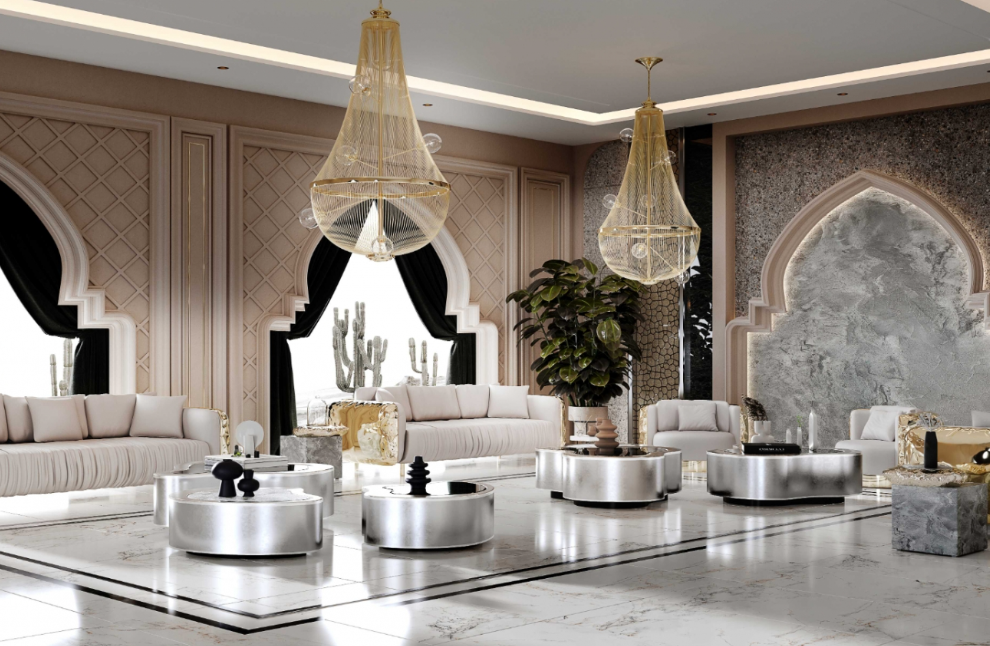
Curated Living: Elevating Modern Lifestyles Through Strategic Home Design
Modern residential design has shifted from the mere acquisition of furniture toward the intentional curation of space. This evolution reflects a deeper understanding of how our physical environment influences mental clarity and daily efficiency. Strategic home design is no longer a luxury reserved for high-end estates; it is a vital practice for anyone seeking to harmonise their fast-paced digital life with the sanctuary of the home. By focusing on flow, light, and purpose-built structures, homeowners can transform standard living quarters into elevated environments that foster both productivity and relaxation.
The Psychology of Minimalist Spatial Planning
The core of curated living lies in the removal of visual noise. When a room is cluttered with disparate items that serve no specific purpose, the brain struggles to find a focal point, often leading to increased cortisol levels and a sense of restlessness. Strategic design prioritises the “less is more” philosophy, but with a crucial caveat: the few items that remain must be of exceptional quality and functional relevance.
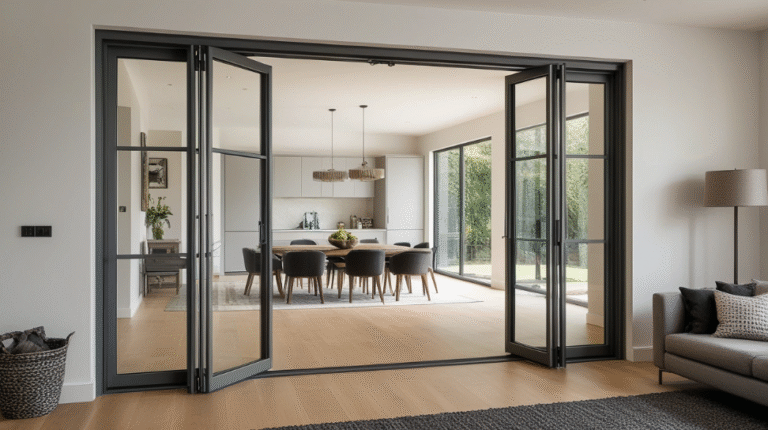
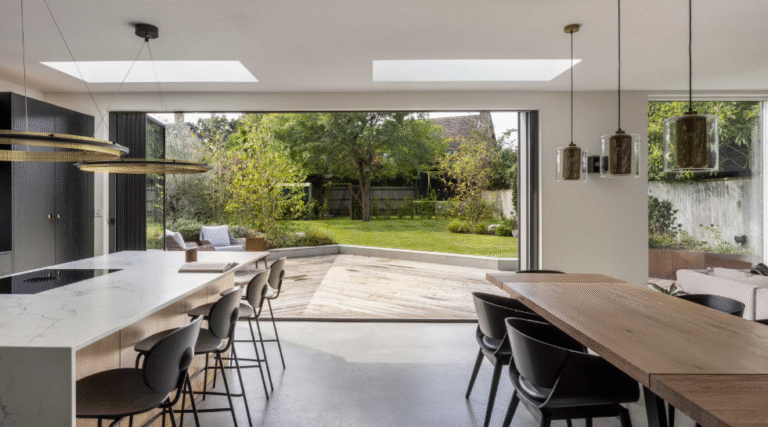
In the Australian context, this often manifests as an emphasis on open-plan layouts that bridge the gap between indoor comfort and outdoor landscapes. Architects and interior stylists now advocate for “zoning”—the practice of using furniture and lighting to define areas within a room without the need for restrictive walls. This approach ensures that even the most compact urban apartments feel expansive and breathable.
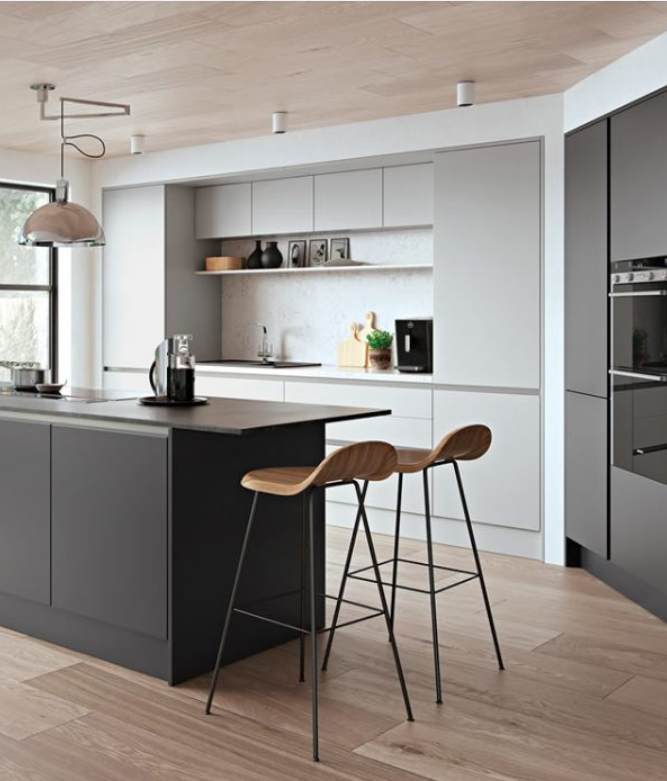
See also: Why Fitted Kitchens Are the Ultimate Home Upgrade
Integrating Form and Function in Common Areas
The living room serves as the heart of the modern home, acting as a social hub, a media centre, and occasionally a workspace. Elevating this space requires a commitment to pieces that offer sleek aesthetics without sacrificing utility. To achieve a high-end look that remains practical, you can elevate your living room with minimalist Australian-made entertainment units. These pieces serve as the foundational anchor for the room, concealing necessary but unsightly technology while providing a clean, horizontal plane that draws the eye across the space.
Choosing locally manufactured timber pieces ensures that the furniture can withstand the unique Australian climate, which often fluctuates between high humidity and dry heat. Natural materials like Tasmanian Oak or Spotted Gum bring an organic warmth to a room, softening the hard edges of modern appliances and creating a balanced, tactile experience.
The Shift Toward Sustainable Artisanship
There is a growing movement away from “fast furniture”—mass-produced items designed for short lifecycles. Today’s strategic design leans heavily into sustainability and longevity. Curating a home means investing in artisanship that tells a story. This shift is partly a reaction to the digital age; as our lives become more ephemeral and cloud-based, we crave the weight and permanence of well-crafted physical objects.
Integrating vintage elements with contemporary silhouettes creates a “layered” look that feels authentic rather than staged. This design strategy respects the heritage of craftsmanship while embracing the innovations of the present. It acknowledges that while technology changes, the human need for sturdy, reliable, and beautiful surroundings remains constant.
Light and Texture as Design Tools
Beyond furniture, strategic design utilises light and texture to manipulate the perception of space. Natural light is the most effective tool for elevating a home’s atmosphere. Maximising window exposure and using reflective surfaces can make a room feel twice its size. In areas where natural light is limited, layered artificial lighting—combining ambient, task, and accent lights—allows the mood of the home to shift throughout the day.
Texture adds the final layer of sophistication. A curated room might pair a smooth, polished concrete floor with a plush wool rug, or a velvet sofa with a matte-finished timber coffee table. These sensory contrasts prevent a minimalist design from feeling cold or sterile, turning a house into a multidimensional home.
Respecting the Legacy of Quality
The contemporary drive for curated spaces is a refinement of older values where the home was seen as a long-term investment in comfort and status. Many modern design principles echo the era when boomers built lives through tangible effort, prioritising the durability of materials over the convenience of flat-pack alternatives. By adopting this mindset, we ensure that our modern lifestyles are supported by environments that are not only beautiful to look at but are engineered to endure for decades. Strategic home design is ultimately an act of self-care, creating a tailored backdrop that supports the way we live, work, and grow in the modern world.